Every year, thousands of families discover that a document sitting quietly in a drawer for decades suddenly needs to be understood by someone who does not speak the language it was written in. An immigration officer reviewing a grandparent's birth certificate, a bank asking for proof of a foreign marriage, a court requesting an old will written in a language nobody in the family still reads fluently. These moments rarely arrive with much warning, and the quality of the translation that follows often determines how smoothly the process goes.
Old Documents Carry Modern Consequences
Family archives often hold documents that predate current record-keeping standards entirely, written in handwriting styles or regional dialects that even native speakers struggle to parse. A translator working with these materials needs more than fluency; they need familiarity with historical terminology, obsolete administrative titles, and sometimes even outdated units of measurement or currency. Treating a century-old document the same way as a modern one is a common mistake that leads to translations technically correct but practically useless to the institutions reviewing them.
Why Immigration Cases Demand Extra Scrutiny
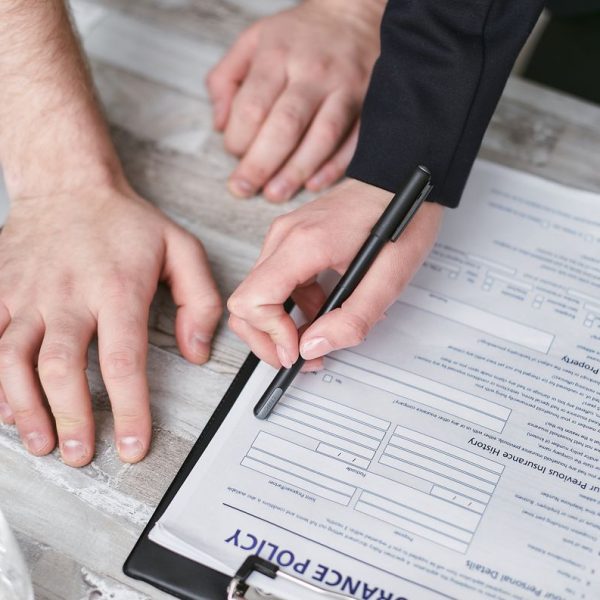
Immigration authorities in particular tend to apply exacting standards to translated civil documents, since even small ambiguities can raise questions about identity, family relationships, or eligibility. A translator who misreads a single date or name on a fragile, decades-old certificate can trigger months of additional review. Getting these details right the first time is almost always faster and cheaper than trying to correct a rejected application after the fact. Applicants who understand this upfront tend to invest in more careful, specialized translation work rather than the fastest or cheapest option available.
German Family Records and Their Particular Demands
German civil records, especially those predating reunification, often use administrative terminology and regional variations that require specific expertise to translate accurately for current legal purposes. Families researching German ancestry or handling inheritance matters connected to Germany frequently need certified german translation services capable of interpreting these older document formats correctly. A translator unfamiliar with historical German administrative structures can easily misinterpret titles or regional designations that carry real legal weight.
French Archives Bring Their Own Historical Layers
French civil and notarial records present a similar challenge, particularly documents drafted under legal frameworks that have since evolved substantially. Families dealing with inheritance, property claims, or citizenship matters tied to French ancestry often rely on french legal translation services that understand both historical and current French legal terminology well enough to bridge the gap accurately. Skipping this expertise risks a translation that reads smoothly but misrepresents the legal substance of the original document.
The Emotional Weight Behind the Paperwork
Beyond the legal and administrative stakes, these documents often carry deep personal significance for the families requesting their translation. A birth certificate might be the only surviving link to a grandparent's early life, or a marriage certificate the sole record of a union disrupted by war or displacement. Translators working in this space frequently describe a responsibility that goes beyond linguistic accuracy alone, recognizing that they are often the last person standing between a family and a piece of its own history becoming permanently inaccessible.
Historic documents arrive full of abbreviations, obsolete legal terms and handwriting conventions that no longer exist. Reading them responsibly means holding several possible interpretations at once, which is critical thinking in its most patient form. The temptation to resolve ambiguity too quickly is what ruins family histories.
Digitization Has Not Solved the Core Problem
While many archives have digitized their historical records in recent years, digitization alone does not make old documents any easier to translate. Scanned images of faded ink or damaged paper still require the same careful human interpretation that physical documents always have, and automated tools frequently fail outright when handling non-standard handwriting or unusual formatting. Families sometimes assume that a clear digital scan solves the translation challenge, only to discover that the real difficulty was always the content itself, not its physical condition.
Keeping Family Archives Organized Across Generations
Families who end up translating several historical documents over the years often benefit from the same kind of structure that businesses use for large translation projects. A translation management system can help a family or genealogist track which documents have already been translated, store finished versions alongside the originals, and avoid paying twice for the same certificate when a new institution asks for it years later. What started as a business tool for managing large-scale localization has quietly become useful for anyone accumulating a personal archive of translated family records.
What Families Can Do Before They Need Help
Genealogists and legal professionals alike recommend having potentially relevant historical documents professionally assessed before an urgent need arises, rather than scrambling once a deadline is already looming. Identifying early which documents might require certified translation, and understanding roughly what that process involves, can save considerable stress later. For readers interested in the broader craft behind this work, the overview of translation on Wikipedia offers useful context on how the discipline has developed over time. In the end, a carefully translated family document does more than satisfy a bureaucratic requirement; it keeps a piece of personal history legible for generations still to come.